
The Beauty of Small Beginnings: Celebrating Imbolc and the First Stirrings of Spring
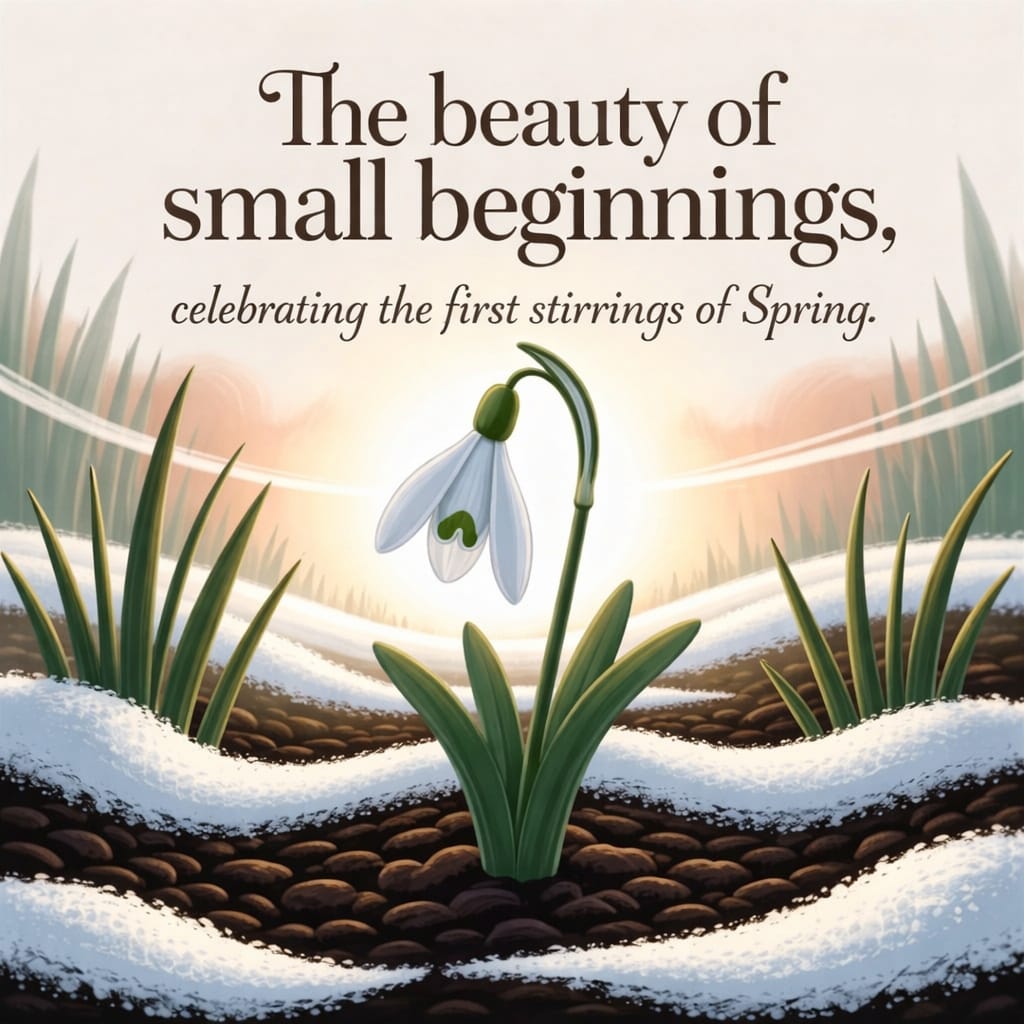
In the heart of winter, the world lies still under a blanket of frost. Days feel short, and nights stretch long. Yet, around late January, a whisper of change stirs. Snowdrops poke through the soil. Birds sing a bit louder. This shift marks Imbolc, the old Celtic festival on 1 or 2 February. It sits halfway between the winter solstice and spring equinox. Imbolc means “in the belly,” a nod to pregnant sheep ready to lamb. It celebrates cleansing, light, and the first hints of growth.
This holiday offers more than old tales. It shows us how big changes start small. Think of it as a guide for your own fresh starts. In a busy world, we chase quick wins. But Imbolc teaches that true renewal builds from tiny seeds. These moments of quiet potential lead to real transformation in life, work, and creativity.
Imbolc Unveiled: History, Mythology, and Meaning
Ancient Roots and Global Echoes
Imbolc comes from ancient Celtic lands in Ireland and Scotland. Farmers watched for the first signs of spring, like budding plants or lambing season. The name hints at new life forming inside. People gathered to honour this time with fires and feasts.
This festival echoes in other cultures too. In Christian times, it blended with Candlemas on 2 February. There, churches bless candles for light in the dark. St. Brigid’s Day in Ireland keeps the old spirit alive. Even in Norse traditions, midwinter feasts noted the sun’s return. Around the globe, folks recognised this pivot from cold to warmth. It proves how seasons shape our shared stories.
These roots remind us of nature’s rhythm. Imbolc isn’t just history. It connects us to cycles that still guide daily life.
Brigid: The Trinity of Fire, Poetry, and Craft
Brigid stands at Imbolc’s centre as a triple goddess. She rules fire for warmth and forging tools. Her poetic side sparks ideas and stories. She also heals and guards the home hearth.
Her fire clears away winter’s chill. It warms hearts and homes alike. Poetry from Brigid inspires dreams for the year ahead. Healing touches prepare bodies and minds for growth.
Link this to Imbolc’s core. Light a flame to burn old habits. Write a few lines to plant creative seeds. Tend your space like Brigid tends the fire. She shows how small acts fuel big changes. In her honour, many weave crosses from rushes. These symbols protect and invite blessing.
Brigid’s story lives on. She bridges old myths and modern needs. Her light guides us through quiet times.
Astronomical Significance: The Tipping Point of Light
By early February, days grow longer by minutes each week. The sun climbs higher in the sky. This isn’t just feeling. It’s fact from old star charts and modern clocks.
In the UK, daylight hits about 10 hours by Imbolc. That’s up from solstice’s short nine. Temperatures lag, but light leads the way. Records from Kew Gardens show snowdrops blooming as early as late January in mild years. These first flowers signal the shift.
This tipping point matters. It proves change brews unseen. Nights still dominate, yet dawn comes sooner. Imbolc marks hope in the stars. Watch the sunrise. Feel the pull toward spring.
The Symbolism of Small Beginnings: Seeds of Potential
The Hidden Life Beneath the Frost
Under frozen ground, seeds wait. They don’t rush. They store energy for the burst above. This mirrors winter’s inner work on goals.
You might feel stuck after holiday highs. Dreams from solstice reflection sit dormant. Like those seeds, they gather strength. Trust the quiet phase. It builds the root for steady growth.
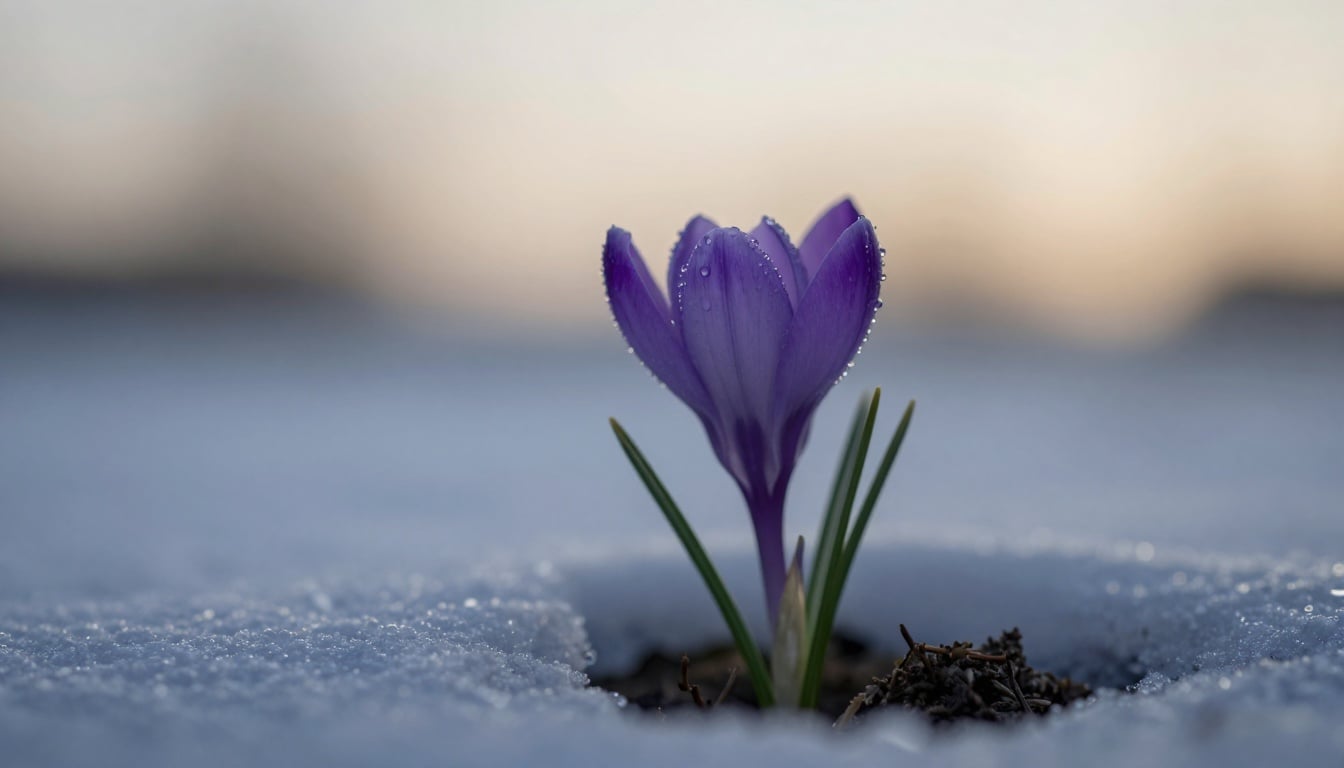
Patience pays here. One crocus flower breaks the ice first. Soon, the field blooms. Your stalled project? It holds the same power. Nurture it below the surface.
Fire and Light: Catalysts for Change
Candles glow bright at Imbolc rites. They chase shadows and warm the soul. Fire cleanses too. It burns dead leaves from last year.
This light reveals paths hidden in dark months. A single flame starts the journey. It grows to bonfires in spring festivals.
Try this: Light one candle weekly until equinox. Watch it stand for your rising focus. Each week, add a note on progress. Fire sparks action from stillness. It turns potential into motion.
Water and Cleansing: Preparing the Vessel
Water flows in Imbolc customs. Wells get blessed for purity. Homes see a deep clean to welcome fresh energy.
Bathe or wash linens. It clears space for new starts. Think of it as rinsing winter’s weight.
Spring cleaning ties in here. In the UK, many scrub in February. It preps rooms for light and life. One room at a time builds the habit. Clean vessels hold growth better. Water renews what fire ignites.
Applying Imbolc Principles to Modern Life and Creativity
Planning and Planting: Setting Intentions vs. Resolutions
New Year’s pledges often fade by February. They set huge goals too soon. Imbolc intentions differ. They nurture small seeds from winter thoughts.
Pick modest steps. Start a journal entry daily. Or sketch one idea for a hobby. These build without overwhelm.
Focus on six weeks ahead. Track tiny wins. This way, habits stick. Unlike resolutions, intentions grow slow and sure. They honour the season’s pace.
- Define one creative spark, like writing prompts.
- Choose a health tweak, such as short walks.
- Set a learning goal, reading ten pages nightly.
Sustainability wins over speed.
Cultivating Inner Resilience: The Art of Endurance
Spring’s first green takes time. Daffodils push slow through mud. This teaches waiting without doubt.
Build strength by noting small signs. A kinder thought. A finished task. These fuel endurance.
As author Julia Cameron says, “In times of pain, creativity connects us to our deepest selves.” Her words fit Imbolc. Slow effort crafts lasting change. Whether in art or fitness, steady steps forge resilience. Embrace the wait. It shapes you strong.
Practical Steps for Honoring the Turning Point
Blend Imbolc into your days with ease. Walk in early light. Notice buds on trees.
Make a renewal list. Jot small cares like brewing tea mindfully. Or sort one shelf.
- Organise papers for clear mind space.
- Plant herb seeds indoors.
- Share a poem with a friend.
These acts tie old ways to now. They spark joy in the shift. Feel the season’s pull.
Beyond the Hearth: Imbolc in the Professional Realm
Recognising Early Market Signals
February calls for business check-ins. Review last quarter’s numbers. Spot trends like rising sales in niche areas.
Don’t launch big yet. Plan seeds for later months. A quiet strategy session sets the base.
In tech, early user feedback acts like those first shoots. It guides without full risk. Watch for small signals. They predict growth.
The Power of Small, Visible Progress
Tiny steps build team drive. Share a quick win in meetings. It fights mid-project slumps.
Consider Dropbox’s start. They tested a simple video demo. It drew sign-ups before heavy build. That MVP proved the idea.
Show progress often. A dashboard of metrics helps. It secures support for more. Small wins snowball into success.
Conclusion: Harvesting Hope from the Quiet Places
Growth hides at first. Celebrate the spark, not just the flower. Imbolc shows this truth.
It cleans the past and eyes the future. Light returns. Life stirs.
Look around now. Spot the subtle shifts in nature and you. Spring has started. Your next step waits. Light that candle. Plant that seed. Begin small today.
gothicquill.store
valerie
What is the significance of Imbolc and how does it relate to the change of seasons?
Imbolc is an ancient Celtic festival celebrated around 1 or 2 February, marking the first signs of spring such as budding plants and lambing season, and symbolizes new beginnings and the gradual shift from winter to spring.
Who is Brigid and what role does she play during Imbolc celebrations?
Brigid is a central goddess associated with fire, poetry, and healing, embodying warmth, inspiration, and protection, and her story encourages small acts of renewal and creativity during Imbolc.
How can the astronomical changes in early February symbolize hope and growth?
By early February, days are getting longer and the sun higher in the sky, which signifies the return of more light and warmth, symbolizing hope and the gradual arrival of spring.
What do small beginnings teach us about personal growth during Imbolc?
Small beginnings remind us that big changes start with tiny steps, like seeds waiting underground, and suggest that patience and nurturing initial efforts lead to meaningful growth and transformation.
How can we incorporate Imbolc principles into our modern lives and creative practices?
We can set small, achievable intentions, like daily journaling or planting herbs indoors, practice patience, nurture our goals steadily, and celebrate progress to align with Imbolc’s message of growth and renewal.
Leave a Reply