
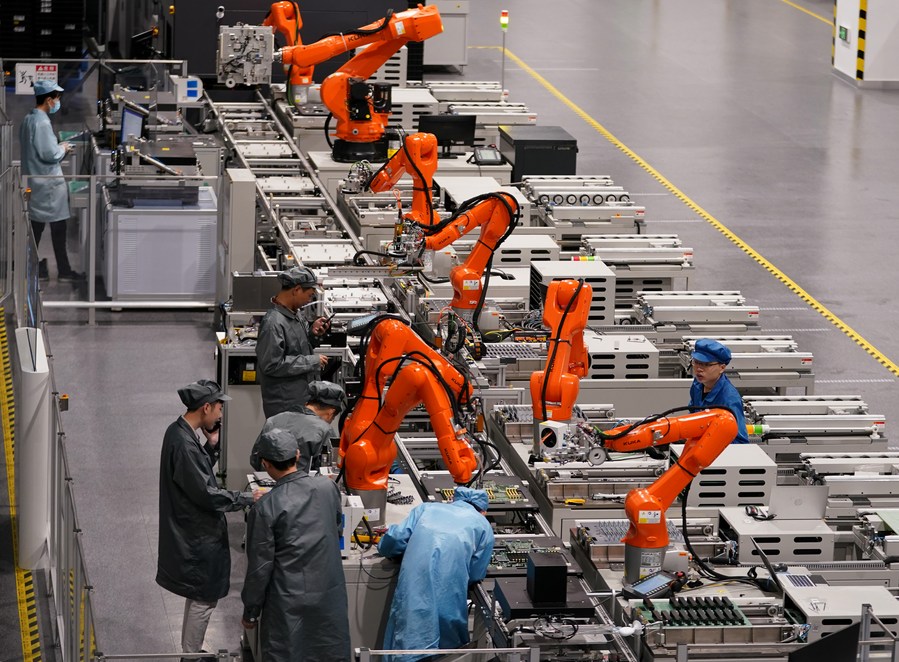
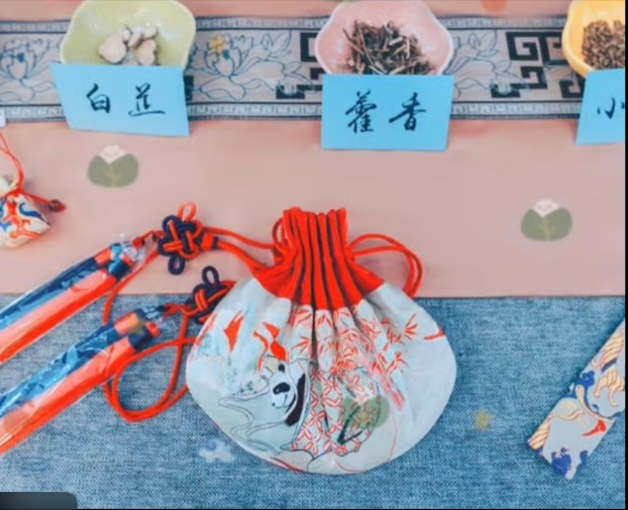
Today marks Chinese New Year — the Year of the Horse — and it feels appropriate to reflect on something that quietly shapes many Western home businesses: China.
Whether one approves of modern dropshipping culture or not (and many have mixed feelings), it is impossible to deny that China has become deeply woven into small online enterprise across Britain, Europe, and America.
But how did this happen?
Before the Factories – The Village Workshop Tradition
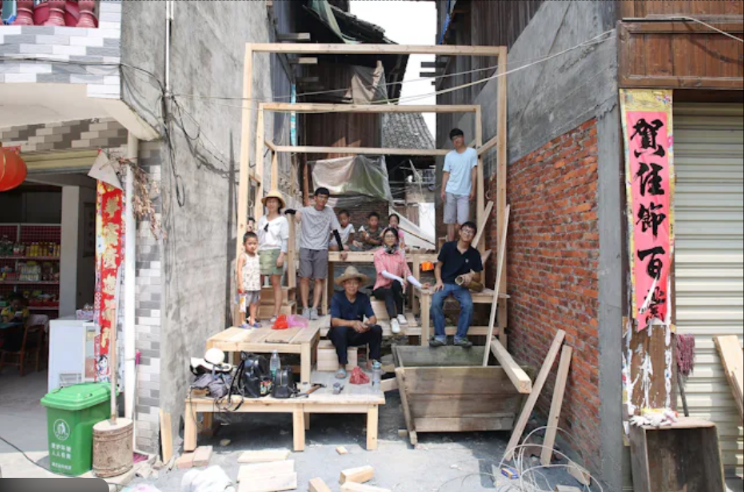
Long before container ships and online platforms, China had a strong tradition of home-based production.
For centuries:
- Silk weaving
- Porcelain making
- Tea cultivation
- Embroidery
- Paper crafting
were often family or village industries.
Production was decentralised. Work was done in homes or small communal workshops. Skills were passed down through generations. In that sense, China has long had what we might now call a “home business culture.”
The difference today is scale.
🏭 Reform and Opening – The Turning Point
The real shift began in the late 20th century under the economic reforms of Deng Xiaoping.
Beginning in 1978, China introduced market-oriented reforms and opened itself to foreign trade. Special Economic Zones were created. Manufacturing capacity expanded dramatically.
Factories multiplied. Labour was abundant. Production costs were lower than in the West.
Western companies began outsourcing manufacturing.
What began as corporate sourcing slowly filtered down into small business supply chains.
📦 The Rise of the Online Marketplace
The early 2000s changed everything.
Platforms such as:
- Alibaba Group
- AliExpress
- Amazon
- eBay
made it possible for individuals — not just large companies — to source goods directly from Chinese manufacturers.
This is where the modern “home business model” shifted.
A person in a spare bedroom in Suffolk, London, or Leeds could:
- Order small product quantities
- Sell without holding stock (dropshipping)
- Launch an online shop
- Reach global customers
For some, it was opportunity.
For others, it was controversy
🚢 Dropshipping — Promise and Reality
Dropshipping was once marketed as a near-magical path to wealth.
“No stock.”
“No warehouse.”
“Millionaire next week.”
Reality proved more complex.
It required marketing skill, branding, customer service, resilience — and often produced slim margins.
But its existence depended entirely on global supply chains — with China at the centre.
🏭 The Modern Chinese Factory
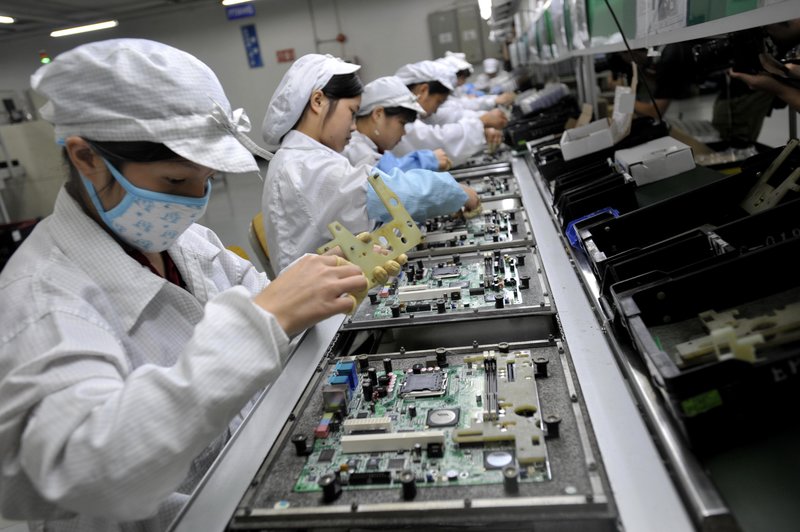
Behind the click of a mouse sits a vast industrial infrastructure:
- High-volume factories
- Logistics hubs
- Port systems
- Export networks
China became the “workshop of the world” because it combined:
- Scale
- Infrastructure
- Skilled labour
- Government-backed industrial policy
Western home businesses — whether they acknowledge it or not — often stand upon this foundation.
🌏 A Balanced View
It is possible to:
- Recognise economic opportunity
- Acknowledge ethical complexity
- Appreciate historical context
Without romanticising or demonising.
The story is not one of sudden invention — but of centuries-old craft culture scaling into global manufacturing.
And in many ways, it is simply the modern expression of something ancient:
People making goods.
People trading.
People seeking livelihood.
Only now, the village is global.
Valerie @ The Gothic Quill

Leave a Reply